
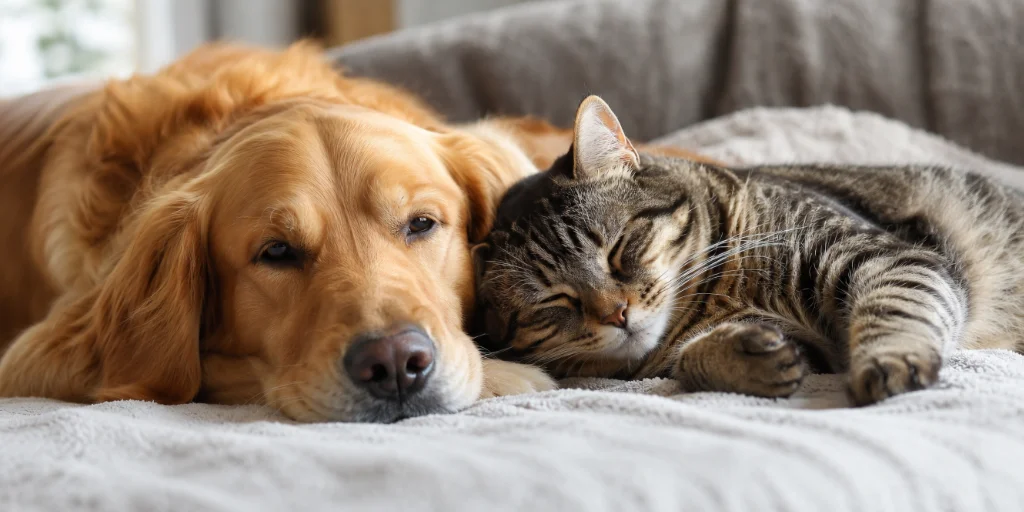
Most pet parents notice the small things first. A coat loses its shine. A dog pauses at the bottom of the stairs. A cat grooms a little less than before. These quiet changes usually start with diet, and very often with omega 3 fatty acids. In the evening, after the walk, some of us unwind with a book or a quick visit to a site like rollambia while the house goes quiet. Our animals, though, still depend on whatever went into their bowl that day. Getting those fats right matters more than most labels admit.
What Omega 3 Actually Does for Pets
Omega 3 is not a trend borrowed from human wellness. These are fats the body cannot make on its own, so they have to come from food. In dogs and cats, two of them matter most: EPA and DHA. Both come mainly from fish and marine oils. They sit inside cell membranes, support the nervous system, and help the body keep inflammation in check — quietly, in the background.
The effects rarely stay in one place. They show up across the whole animal:
- Softer, denser fur with less seasonal shedding
- Calmer skin that itches and flakes less
- More comfortable joints, especially in older pets
- Steady support for heart and kidney function
- Healthy brain development in puppies and kittens
- A brighter, more energetic mood owners notice right away
Nutrition rarely fixes anything overnight. With omega 3 you feed the body a raw material, then give it weeks, not hours, to use it.
That patience is the part most people underestimate.
Reading the Signs in Skin Coat and Joints
The best reason to think about omega 3 is the animal in front of you. Skin and coat change first. They are easy to see, and they renew quickly. Joints react more slowly, but for many older dogs they are what makes an owner pay attention in the first place. The signs below help you connect what you see to what might be missing.
| What you notice | Possible link to low omega 3 | What improvement looks like |
|---|---|---|
| Dull, dry coat | Weak skin barrier, poor oil balance | Visible shine within weeks |
| Persistent scratching | Low-level skin inflammation | Less itching and redness |
| Flaky skin or dandruff | Dry, undernourished skin | Smoother, softer texture |
| Stiffness after rest | Joint inflammation | Easier movement and play |
| Slow coat regrowth | Reduced skin renewal | Faster, fuller regrowth |
Why Canine and Feline Needs Differ
It is easy to treat dogs and cats as the same problem in different sizes. Their bodies, though, handle fats in different ways. Cats are strict carnivores with a narrower metabolism, so both the source and the dose need more care. A baie run canine omega 3 routine will not automatically fit a cat, and feline omega 3 is shaped around that difference.
| Factor | Dogs | Cats |
|---|---|---|
| Diet type | Omnivore-leaning | Strict carnivore |
| Tolerance for plant oils | Moderate | Low |
| Best source | Fish and marine oil | Marine oil, carefully dosed |
| Common reason owners start | Joints and coat | Coat and skin conditions |
Working Omega 3 into Everyday Care
A supplement only helps if it gets used, and the routine has to survive a busy week. The simplest trick is to tie the dose to something that already happens daily, like the morning meal. Most marine oils taste good enough that pets accept them easily. Cats can be pickier, so introduce it slowly and let them get used to the smell.
The best supplement is the one your pet will eat and you will remember to give. Consistency beats intensity every time.
Consistency is also where quality starts to matter.
Choosing Baie Run Pet Products with Confidence
Not all fish oil is equal, and clever packaging hides the differences well. Freshness, sourcing, and honest dosing separate a useful product from an expensive placebo. A focused range of baie run pet products is easier to trust than a generic bottle, because the formulas are built for canine and feline needs instead of borrowed from the human aisle.
When you compare options, a few concrete details tell you a lot:
- Named marine sources rather than vague “fish oil”
- Clear EPA and DHA amounts per dose
- Third-party testing for purity and freshness
- Packaging that protects the oil from light and air
- Separate formulas for dogs and cats
- Realistic, species-appropriate serving sizes
Choosing baie run for a supplement like this is less about the logo and more about the consistency behind it.
Omega 3 is not a miracle, and it does not pretend to be. It is a quiet, steady investment in the parts of your pet you only notice when something goes wrong — the coat, the skin, the easy movement of a healthy joint. Pick a well-made formula, give it time, and let a small daily habit do its work while you and your animal get on with ordinary life.