
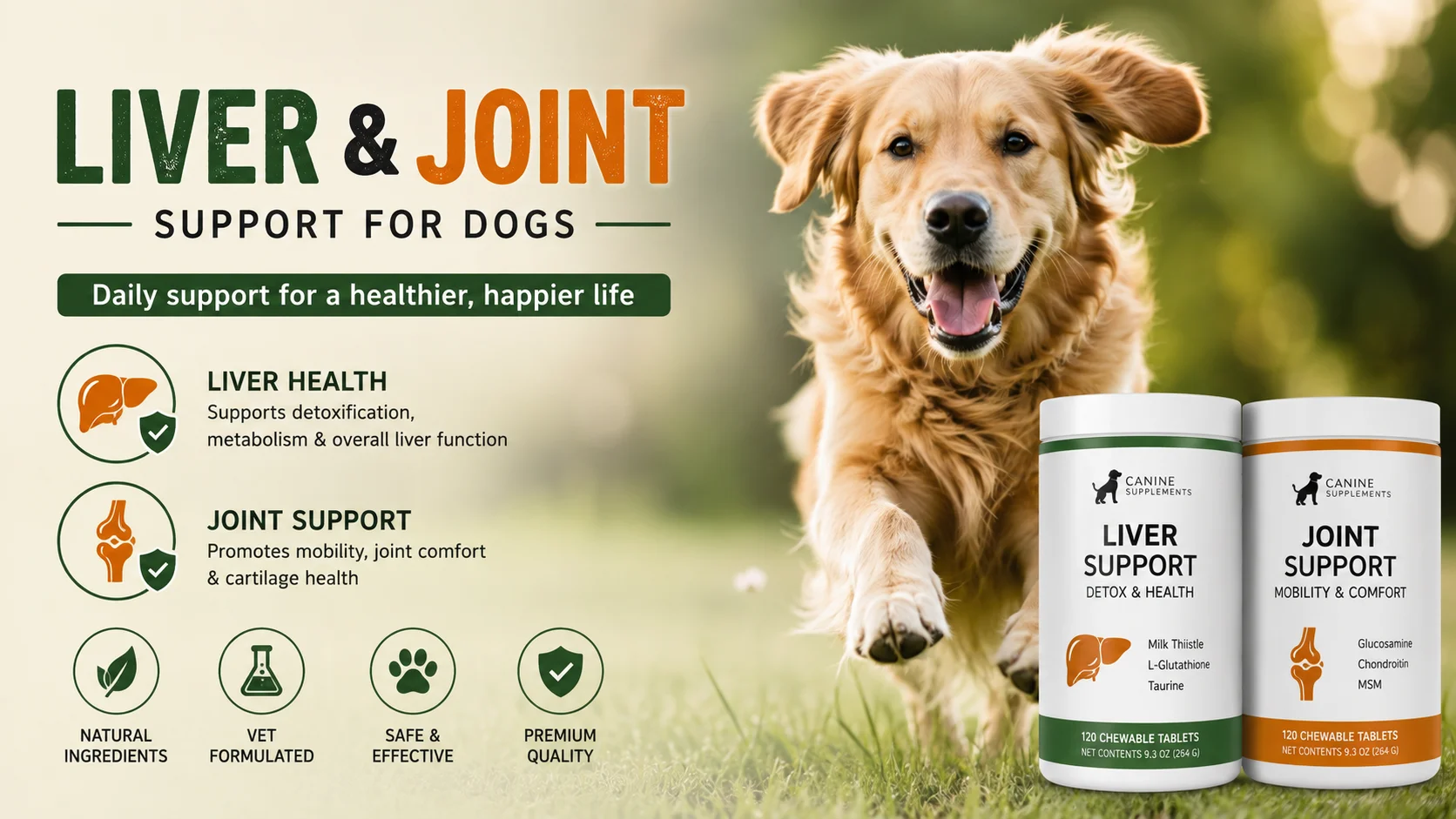
Few owners think about canine supplements until something small shifts. The morning stretch takes a beat longer. A once-glossy coat looks flat. Dinner sits in the bowl for an hour. None of it feels urgent, so it slips by easily. Yet these quiet changes, spotted on an ordinary evening with the dog stretched out at your feet, are usually where the real thinking starts — well before anything turns into a problem.
Why More Canadian Owners Are Rethinking Canine Supplements
Dog care has grown more deliberate over the last ten years. Good food and one yearly checkup used to feel like enough, and for many dogs it was. Now owners ask sharper questions about the years ahead. Canine supplements have moved from a luxury shelf to sensible, everyday care. We tend to look after our dogs the way we look after ourselves.
Some of that shift comes from how we live now. Evenings are quieter and more screen-lit. That might mean a series, a bit of scrolling, or a relaxed round at monkey zino once the dog has settled. In those calm hours, small habits take hold — including paying closer attention to a dog's comfort, and noticing what a complete diet might still miss.
Sorting the Shelf by What Your Dog Actually Needs
The supplement aisle is loud. Dozens of bottles promise a shinier coat, springier joints, and a calmer stomach. It is easy to leave with three products and no clear reason for any of them. A better approach starts from a need, not a label. Notice what has actually changed in your dog, then look for the one category that answers it.
Grouping products by concern makes the shelf far less daunting. A short map helps before you start comparing brands:
- Liver support for dogs recovering from illness or on long-term medication
- Joint formulas for stiffness after rest or reluctance on stairs
- Arthritis support for older dogs with steady, ongoing discomfort
- Daily vitamins for gaps a home-cooked or limited diet may leave
- Skin and coat blends for dullness or heavier shedding
- Digestive support during food changes or sensitive stretches
A supplement earns its place when it answers a question your dog's body is already asking. If you cannot name that question, you are shopping for reassurance, not results.
Once the need is clear, the choice narrows fast. You also stop paying for bottles that were never meant for your dog.
Liver and Joint Support Where Timing Matters Most
Some concerns reward patience, and two of the most common sit right at the top of that list: the liver and the joints. Owners often reach for canine liver supplements after a course of medication or a bout of illness, when the aim is gentle, steady help rather than a fast fix. Canine joint supplements and canine arthritis supplements run on a similar clock. They support comfort over weeks, not overnight, and they suit dogs whose movement has quietly changed.
Knowing roughly when to consider each type takes the panic out of an anxious moment. The table below pairs common situations with the kind of support that tends to fit.
| What you notice | Likely area | Type of support to consider |
|---|---|---|
| Low appetite after medication | Liver | Gentle liver support |
| Stiffness rising from a nap | Joints | Daily joint formula |
| Slow, careful walks in an older dog | Arthritis | Ongoing arthritis support |
| Dull coat and flaky skin | Skin barrier | Omega-rich skin blend |
| Sluggish digestion during changes | Gut | Steady digestive support |
None of these are diagnoses. A vet is still the right first call for anything sudden or serious. What targeted formulas offer is patient, everyday backup for the slow, ordinary wear that comes with a full life.
Everyday Vitamins and the Habit of Steady Care
Not every dog needs a specialist formula. For many, the quiet workhorses are canine vitamin supplements that fill the small gaps a limited or home-prepared diet can leave. These are less about fixing a problem and more about keeping a healthy dog well. That is harder to notice, because nothing dramatic ever happens. The payoff is a dog that simply stays itself for longer.
Daily support lives or dies by consistency, and consistency comes from routine. Tie a supplement to something that already happens — the morning bowl, the evening walk — and it sticks far better than one that depends on willpower.
Consistency, not intensity, turns a good product into a lasting benefit. The best formula in the cupboard does nothing while the lid stays on.
Honest expectations help you stay the course through the first few uneventful weeks.
| Timeframe | What is realistic | What to avoid |
|---|---|---|
| First week | Dog adjusts to the taste | Forcing a full dose at once |
| Two to three weeks | Routine settles in | Skipping days, then restarting |
| Four to six weeks | Early coat or energy gains | Expecting overnight change |
| Beyond six weeks | Steadier, visible comfort | Switching products too soon |
Patience is the quiet ingredient no label lists. It usually matters more than the brand on the front.
Reading Labels Without Falling for the Packaging
A warm story and a tidy bottle are built to reassure you, not to inform you. The real information sits on the back, in the parts most of us skim. When two products look alike from the front, the details underneath usually separate genuine help from a pleasant waste of money.
Honest formulas tend to be specific, because specifics are hard to fake. Before you buy, run a formula past a few plain markers — the kind a trustworthy product is happy to state:
- Named ingredient sources instead of a vague “oil” or “blend”
- Active amounts listed clearly per serving
- Third-party testing for purity and freshness
- A dose written for your dog's weight range
- Clearly stated manufacturing standards
- A short ingredient list without needless filler
A long list crowded with names you cannot place is rarely better than a short, honest one. Trust what a product states plainly, and stay cautious of anything that leans on mood and imagery to make the sale.
Choosing canine supplements does not have to be a leap of faith. Start from something you have genuinely noticed, match it to one honest category, and give that choice unhurried time to work. Watch the dog rather than the marketing. Keep the routine simple enough to actually follow, and let one small daily habit quietly support the liver, the joints, and the easy comfort of a dog who still meets you at the door.